The Feldenkrais Method deepens professional expertise.

Transform Your Teaching: From Muscles Alone to Brain–Bone–Muscle Integration.

Accredited International Feldenkrais Training Organization

The Feldenkrais Method deepens professional expertise.

Transform Your Teaching: From Muscles Alone to Brain–Bone–Muscle Integration.

Accredited International Feldenkrais Training Organization

Adding Feldenkrais to expertise

The Learning Method Chosen by Experts

After incorporating this into my sessions, my members have told me their bodies feel noticeably lighter.

I was a little hesitant at first, but my clients responded immediately when I added the small movements. When I personally heard them say things like, “My body feels so much more relaxed,” it solidified my own conviction in this method.

Pilates instructor

Kim**

I became convinced of its effectiveness during the course of treatment.

An approach focused solely on muscle strengthening had its limitations. However, once we began re-educating their movements, the patients' tension released, and their rehabilitation followed more naturally.

Physiotherapist

Lee**

It added depth to my teaching method.

My students began to experience 'understanding their movement' rather than just correcting their posture. This allowed us to create sustainable, positive changes.

yoga instructor

Park **

Feldenkrais Method

What is Feldenkrais?

Habitual tension that cannot be resolved by muscle strengthening alone.

Even in simple actions like walking, sitting, and breathing, we have been accumulating unconscious tension. Strengthening our large muscles might help us cope for a while, but it's like moving around in a suit of armor. The exterior may appear strong, but the inner tension remains.
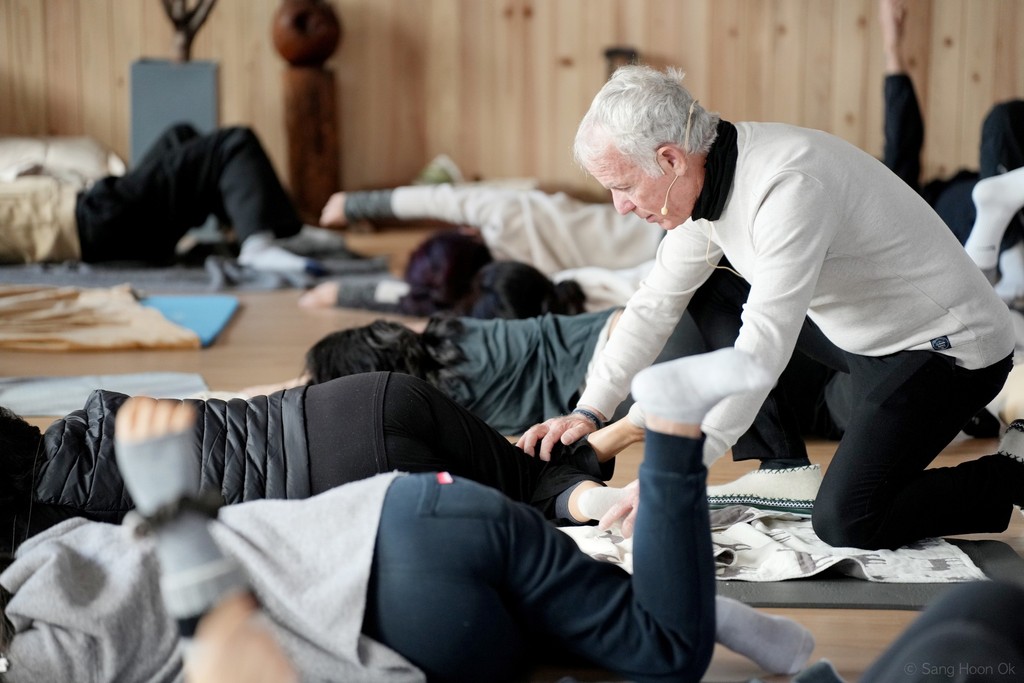
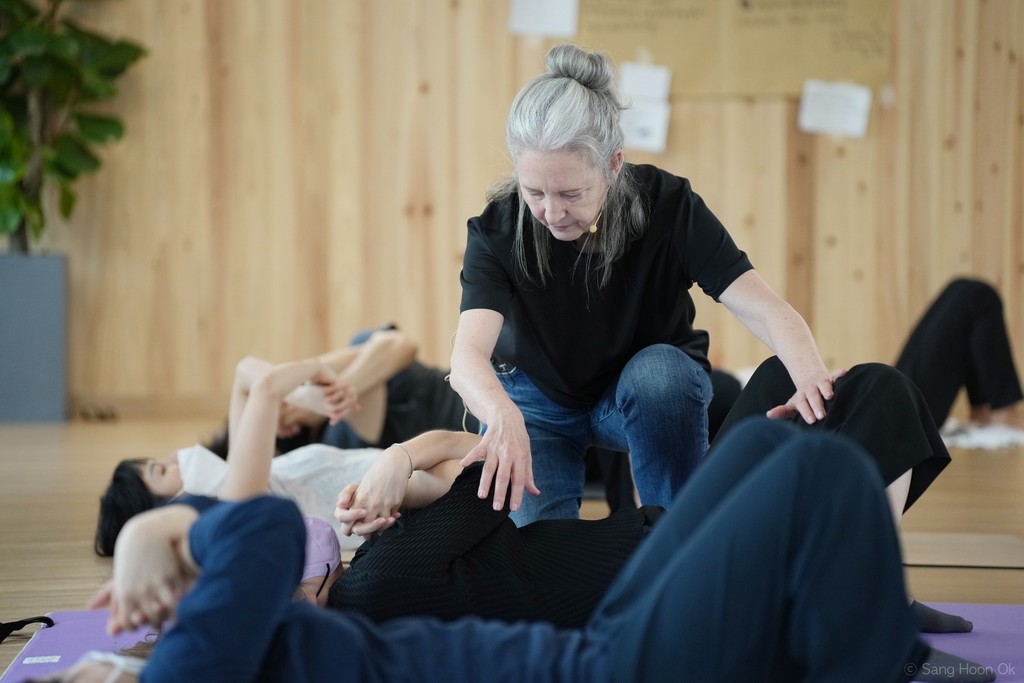
Rediscover movement, find comfort in your body.

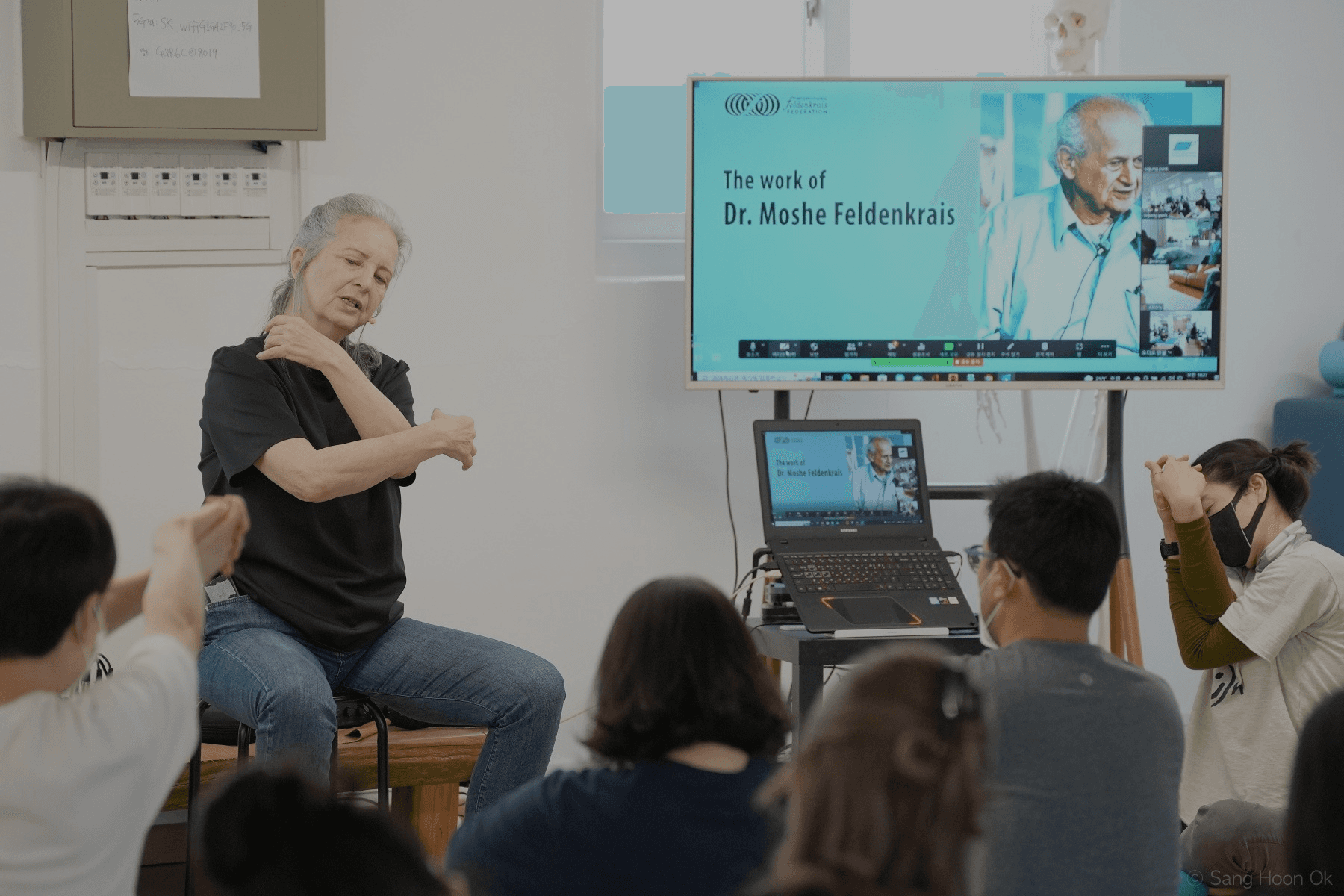
Feldenkrais teaches us to relearn the ways our brain, bones, and muscles cooperate. Just as children naturally familiarize themselves with their bodies through play, we move slowly, feeling each small motion. In this process, the body relearns its most comfortable movements based on the principle of neuroplasticity.

Understanding the principle

Professional Development

Increase expertise with Feldenkrais.
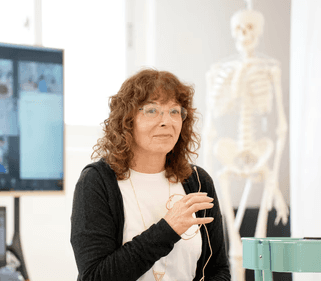
Enhancing expert capabilities

By mastering a profound teaching methodology that addresses the fundamental principles of bodily movement, you will significantly enhance both the professionalism of your classes and your instructional skills.
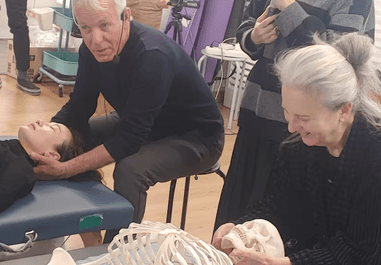
Learning Through the Principles of Neuroplasticity

By creating more efficient and comfortable movement patterns through small, subtle movements, you can provide your clients with an enhanced movement experience.
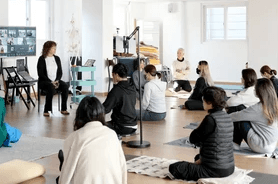
Enhancing Client Satisfaction

Complementing your existing teaching style, this method allows you to facilitate profound and tangible changes, enhancing the results your clients can truly feel.

The principles of Feldenkrais

Feldenkrais Stage 3 Principle

1

You become aware of your body through small, subtle movements.

We introduce small movements and guide students to observe their breathing, center of gravity, and points of contact.
Through this process, they become aware of unnecessary tension and discover new possibilities.

2

By discovering the difference, you shift to a more comfortable path.

We guide students to repeat and vary the same movement in different ways, allowing them to directly compare the differences.
Through this process, the efficiency and freedom of the whole body expand.

3

The movements you learn become deeply ingrained in your body.

We help students apply new movement patterns to everyday actions such as walking, sitting, and turning.
Based on the principle of neuroplasticity, the comfortable movements they learn lead to functional and lasting change.

"With small and comfortable movements, the brain discovers easier ways to act. Students let go of tension, their breath flows naturally, and movement becomes smooth. For instructors, it’s the moment when even the same lesson feels lighter and far more effective."

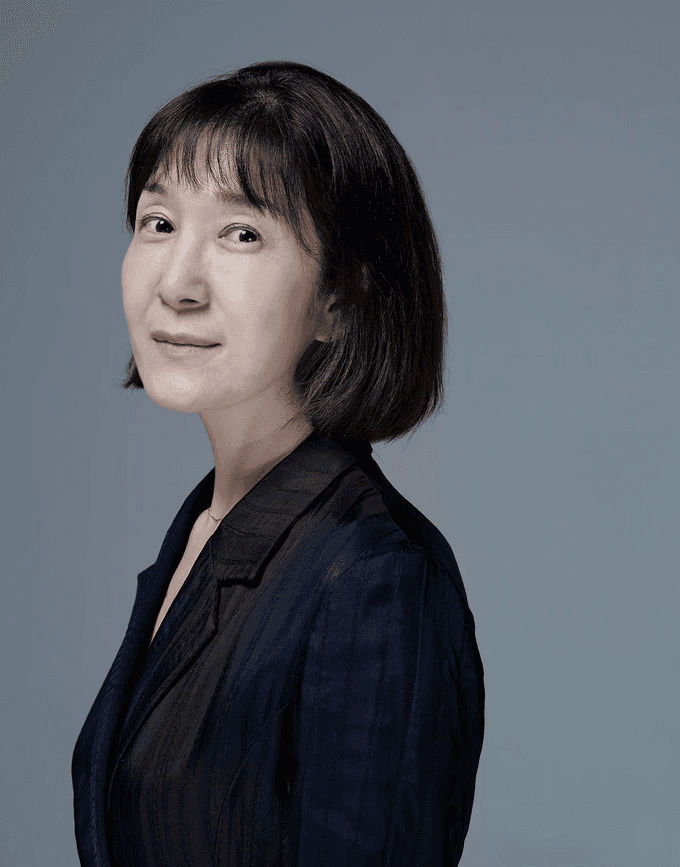
Korean Feldenkrais Association President

Dr. SoJung Park

Our Director's Story

Feldenkrais changed my life.

As a dancer, injuries taught me the power of small movements.
Today, as an internationally certified practitioner, I share this learning with many other.

As a dancer, injuries taught me the power of small movements. Today, as a certified international practitioner, I share this learning with many others.

Reading a story

International certification process

Step up your journey with the Feldenkrais Professional Training.

Elevate your practice in yoga, Pilates, or physical therapy with our Professional Training Program.

Professional Program

Q&A

Question and answer.

What is the Feldenkrais Method?

The Feldenkrais Method® is an innovative somatic educational method developed by Dr. Moshé Feldenkrais, a distinguished scientist and Judo master. This method is not merely a form of exercise; it aims to re-educate the nervous system through movement, helping individuals improve their physical health and psychological well-being, and overcome challenges such as pain and anxiety. It is philosophically grounded in the concept of 'neuroplasticity'—the idea that the nervous system can change and grow throughout life. The Method is taught in two formats: group classes called Awareness Through Movement® (ATM), and one-on-one, hands-on sessions called Functional Integration® (FI).

What exactly does “awareness” mean, and why is it important?

In the Feldenkrais Method, “awareness” is not the same as merely being “conscious” of something. Awareness means having a concrete and clear understanding of how one is carrying out an action—what Feldenkrais called “conscious knowledge.” Such awareness plays a crucial role in breaking rigid, harmful habits, giving us more options and enabling us to act with greater freedom and competence.

How is “learning” in the Feldenkrais Method different from school learning?

In the Feldenkrais Method, learning is understood as "Organic Learning", which differs from conventional school education where a teacher transmits fixed goals and answers. Organic Learning is a personal process that unfolds at the learner’s own pace, without predetermined outcomes or reliance on a teacher’s authority. It emphasizes learning through exploration and even mistakes, focusing not on what one does but on how one does it.

Who can benefit from the Feldenkrais Method?

The Feldenkrais Method is for anyone seeking to improve their life through movement. It supports people with chronic pain or neurological difficulties, those wishing to enhance posture and ease of movement, professionals such as performers and athletes aiming to refine their skills, and individuals looking for greater emotional balance and well-being.

What kind of person was the founder, Moshe Feldenkrais?

Dr. Moshe Feldenkrais (1904–1984) was a scientist trained in physics, engineering, and mathematics, and one of the first judo instructors in Europe. He earned his doctorate at the Sorbonne in Paris and conducted research at the Curie Institute. After suffering a severe knee injury in his youth, he drew upon all of his knowledge in science and movement to develop what became known as the Feldenkrais Method.

What is the Feldenkrais Method?

The Feldenkrais Method® is an innovative somatic educational method developed by Dr. Moshé Feldenkrais, a distinguished scientist and Judo master. This method is not merely a form of exercise; it aims to re-educate the nervous system through movement, helping individuals improve their physical health and psychological well-being, and overcome challenges such as pain and anxiety. It is philosophically grounded in the concept of 'neuroplasticity'—the idea that the nervous system can change and grow throughout life. The Method is taught in two formats: group classes called Awareness Through Movement® (ATM), and one-on-one, hands-on sessions called Functional Integration® (FI).

What does awareness truly mean, and why is it so essential?

In the Feldenkrais Method, “awareness” is not the same as merely being “conscious” of something. Awareness means having a concrete and clear understanding of how one is carrying out an action—what Feldenkrais called “conscious knowledge.” Such awareness plays a crucial role in breaking rigid, harmful habits, giving us more options and enabling us to act with greater freedom and competence.

How is “learning” in the Feldenkrais Method different from school learning?

In the Feldenkrais Method, learning is understood as "Organic Learning", which differs from conventional school education where a teacher transmits fixed goals and answers. Organic Learning is a personal process that unfolds at the learner’s own pace, without predetermined outcomes or reliance on a teacher’s authority. It emphasizes learning through exploration and even mistakes, focusing not on what one does but on how one does it.

Who can benefit from the Feldenkrais Method?

The Feldenkrais Method is for anyone seeking to improve their life through movement. It supports people with chronic pain or neurological difficulties, those wishing to enhance posture and ease of movement, professionals such as performers and athletes aiming to refine their skills, and individuals looking for greater emotional balance and well-being.

What kind of person was the founder, Moshe Feldenkrais?

Dr. Moshe Feldenkrais (1904–1984) was a scientist trained in physics, engineering, and mathematics, and one of the first judo instructors in Europe. He earned his doctorate at the Sorbonne in Paris and conducted research at the Curie Institute. After suffering a severe knee injury in his youth, he drew upon all of his knowledge in science and movement to develop what became known as the Feldenkrais Method.

Expand your depth with Feldenkrais.

Expand your depth with Feldenkrais.

Create a free website with Framer, the website builder loved by startups, designers and agencies.