A New Approach to Understanding the Body: The Feldenkrais Method
Sep 4, 2025
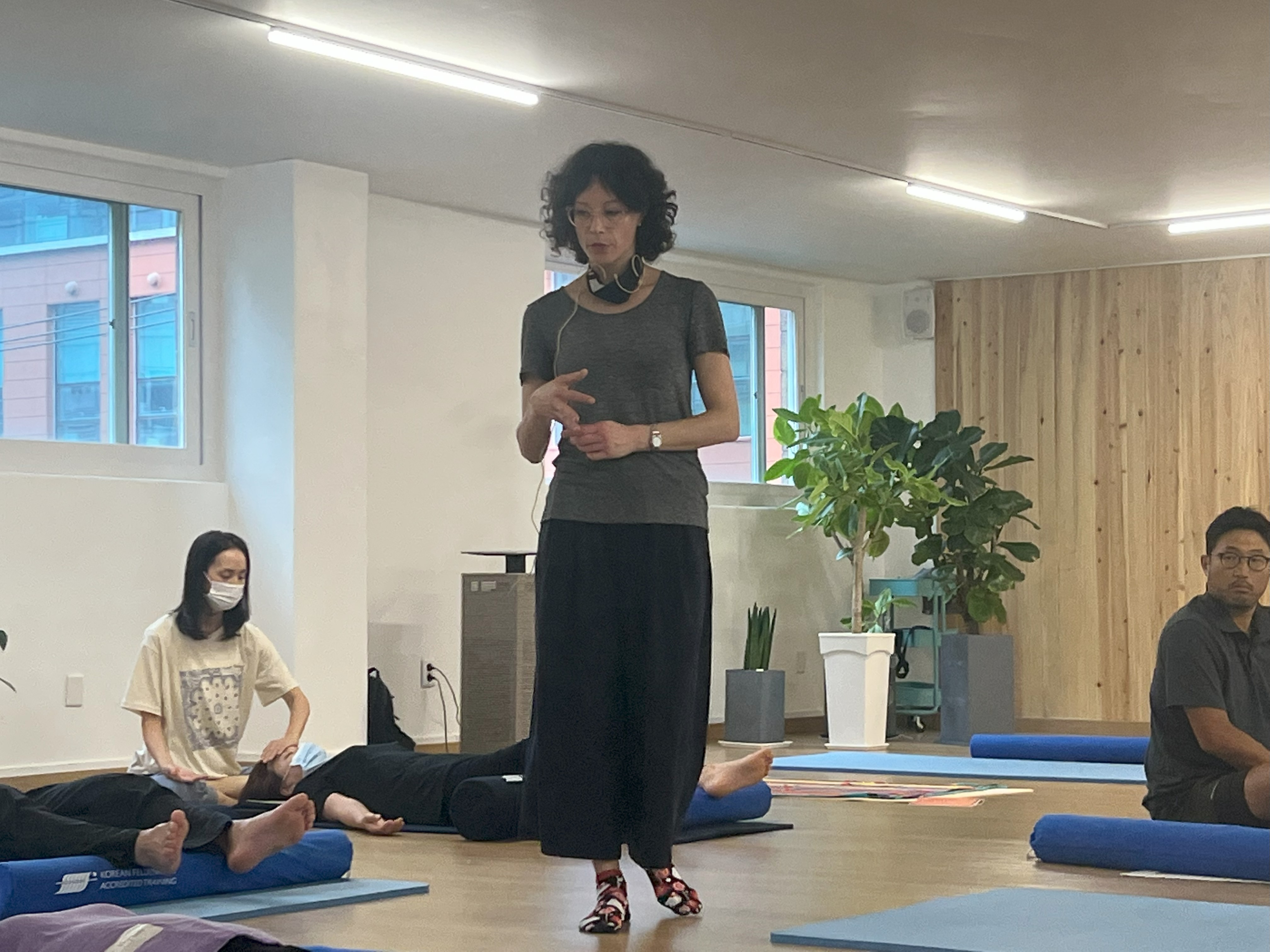
Yoga and Pilates are already well-known practices worldwide. Both enhance physical and mental well-being through breath and movement.
At first glance, the Feldenkrais Method may look similar. In reality, however, it is distinct: it is not exercise for performance, but a learning method of self-awareness through movement.
Shared Foundation: Self-Awareness Through the Body
Yoga, Pilates, and Feldenkrais all provide a pathway to deeper self-understanding through the body.
Breath supports every movement.
Attention anchors us in the present.
Movement becomes a tool for self-exploration.
In this way, each goes beyond exercise to offer self-inquiry through the body.
Different Approaches, Unique Strengths
Yoga: Seeks mind–body integration through breath and asana, within a traditional framework of inner peace.
Pilates: Focuses on stability, core strength, and alignment for functional harmony.
Feldenkrais: Emphasizes awareness of how movement happens, not the perfection of a posture. It asks: “How can this action be easier, lighter, more efficient?” — helping the nervous system learn new possibilities.
Thus, yoga cultivates peace, Pilates builds harmony, and Feldenkrais fosters awareness and learning. Together, they enrich each other.
Learning Through Neuroplasticity
In Feldenkrais lessons, exploration replaces instruction. Instead of “Do this,” the guidance is “Try it smaller,” “Try it differently.” Even a simple leg lift can be explored in many ways, revealing tension and discovering more natural options.
This works through neuroplasticity — the brain’s capacity to learn and rewire. When small movements are sensed with precision, the brain reduces unnecessary effort and finds easier patterns. Repeated practice makes these new patterns part of everyday life, leading to lasting change.
Transforming Experience
A yoga practitioner may shift from striving to stretch further, to observing how the pelvis and spine respond.
A Pilates practitioner may move from bracing the core, to discovering stability with less effort.
Feldenkrais expands this process, teaching the nervous system to re-learn the quality of movement itself.
When the focus of yoga, the stability of Pilates, and the learning principle of Feldenkrais meet, new possibilities open for the body and mind.
Beyond Exercise: A Learning Method
The Feldenkrais Method is not just exercise but a science of learning through neuroplasticity. Rather than training strength or flexibility alone, it reveals habits, reduces tension, and opens new options for action.
If yoga and Pilates can be called arts of refining the body, then Feldenkrais can be described as the science of redesigning it. Together, they create a richer balance of art and science — and a deeper pathway to transformation.
Yoga and Pilates are already well-known practices worldwide. Both enhance physical and mental well-being through breath and movement.
At first glance, the Feldenkrais Method may look similar. In reality, however, it is distinct: it is not exercise for performance, but a learning method of self-awareness through movement.
Shared Foundation: Self-Awareness Through the Body
Yoga, Pilates, and Feldenkrais all provide a pathway to deeper self-understanding through the body.
Breath supports every movement.
Attention anchors us in the present.
Movement becomes a tool for self-exploration.
In this way, each goes beyond exercise to offer self-inquiry through the body.
Different Approaches, Unique Strengths
Yoga: Seeks mind–body integration through breath and asana, within a traditional framework of inner peace.
Pilates: Focuses on stability, core strength, and alignment for functional harmony.
Feldenkrais: Emphasizes awareness of how movement happens, not the perfection of a posture. It asks: “How can this action be easier, lighter, more efficient?” — helping the nervous system learn new possibilities.
Thus, yoga cultivates peace, Pilates builds harmony, and Feldenkrais fosters awareness and learning. Together, they enrich each other.
Learning Through Neuroplasticity
In Feldenkrais lessons, exploration replaces instruction. Instead of “Do this,” the guidance is “Try it smaller,” “Try it differently.” Even a simple leg lift can be explored in many ways, revealing tension and discovering more natural options.
This works through neuroplasticity — the brain’s capacity to learn and rewire. When small movements are sensed with precision, the brain reduces unnecessary effort and finds easier patterns. Repeated practice makes these new patterns part of everyday life, leading to lasting change.
Transforming Experience
A yoga practitioner may shift from striving to stretch further, to observing how the pelvis and spine respond.
A Pilates practitioner may move from bracing the core, to discovering stability with less effort.
Feldenkrais expands this process, teaching the nervous system to re-learn the quality of movement itself.
When the focus of yoga, the stability of Pilates, and the learning principle of Feldenkrais meet, new possibilities open for the body and mind.
Beyond Exercise: A Learning Method
The Feldenkrais Method is not just exercise but a science of learning through neuroplasticity. Rather than training strength or flexibility alone, it reveals habits, reduces tension, and opens new options for action.
If yoga and Pilates can be called arts of refining the body, then Feldenkrais can be described as the science of redesigning it. Together, they create a richer balance of art and science — and a deeper pathway to transformation.
Expand your depth with Feldenkrais.
11, Seongsuil-ro 11-gil, Seongdong-gu, Seoul, Geongnam Building, Room 301
koreanfeldenkrais@gmail.com
0507-1494-9592

Expand your depth with Feldenkrais.
11, Seongsuil-ro 11-gil, Seongdong-gu, Seoul, Geongnam Building, Room 301
koreanfeldenkrais@gmail.com
0507-1494-9592